Here's A Few Facts About Cut Car Key


Car Key Cutting Explained
Cutting keys for cars is more than just bending metal. It is a complicated process that guarantees security, function and longevity of keys.
It is not unusual to lose your car key or even break it in the lock. You'll require an alternative car key to ensure that you can drive your car at all times.
Transponder Keys
If your car was manufactured in the last 20 years, it is likely to have transponder chips. These microchips are in the handle of the key and transmit a signal to the onboard computers in your vehicle when you turn the key. The computer on board reads the digital serial number in the chip and only allows the car to start if it is the correct one. This stops thieves from taking over your vehicle because they'd have to be aware of the unique serial number.
The microchip inside your car key transmits a low-level radio signal to the car's receiver. The radio signal activates your microchip, which transmits a code to the onboard computer of the car. The car will only start only if it recognizes the code. This stops "hot wiring" or other methods of stealing cars.
Locksmiths that offer these services can make keys for cars that contain chips. Some car dealers, like AutoZone sell them. Those stores carry a huge variety of keys and can assist you in choosing the appropriate one for your vehicle. They can even assist you to programme the chip into your vehicle, which is required for it to function.
There are also laser cut keys that are more secure than flat keys. These keys feature a lock cylinder that is much more difficult to pick, and are only duplicated using expensive laser key cutting equipment or special software. This type of technology is typically found in high-end cars but is now accessible on many affordable models.
Another kind of car key that's difficult to duplicate is the VATS (vehicle anti-theft system) key. These keys have a black resistor on the key blade that is programmed with one of 15 possible values to prevent them from starting a car that it's not intended to. They are expensive and require an instrument for programming keys, which is only available at certain locksmiths.
VATS Keys
Before the advent of transponder keys and cars equipped with computer chips to control the ignition of the car, GM used something called VATS (Vehicle Anti-Theft System). VATS uses an ordinary key that has a resistor pellet embedded inside it to confirm that the correct key is used to start the car. The black VATS Pellet located in the middle of a VATS Key isn't an electronic chip that is like those found on most modern keys. It is merely carbon or a block that is sized to have an electrical resistance.
GM used 15 different resistance values for the VATS pellets. They attached the key's blade so that when the key is turned on the ignition the coded signal is sent to the module. If the signal is in line with that of the transistor in a VATS pellet then the relay in starter circuit will activate and the engine will start to run. This doesn't make a car burglar-proof however, it can deter thieves for at least 15 to twenty minutes.
After key cutting open now of usage the VATS module may start to wear out. Each time a key is inserted into the ignition it moves two very small wires inside the ignition, and, over time, the wires could start to break. Once enough wires are broken the signal to the module is lost and the module won't be able to start the car.
You can solve this issue at home by decoding your VATS code. It's not hard to determine the resistance of a key with the multimeter. All you have to do is put one of the leads of your ohm gauge on the prongs made of metal hanging out on both sides of the key. Then read the ohm meter's display to determine the resistance value of your key.
This can also be a good method to test a new key to see whether it will work in your vehicle. Remove the key from the ignition first before you test it. If not, the key may have an incorrect VATS and not work in your car.
Smart Key Fobs
Today's key fobs can do more than unlock or start cars. Many of them have advanced features that a lot of owners aren't aware of. They can be used as a security gadget or as a deterrent to theft. They can lock and unlock your door remotely and emit chirping sounds to help you locate your vehicle when you're in a hurry or call it up by pressing the button. This is more than you'd expect from the traditional keychain remote. Unfortunately, all that added features can mean that smart key fobs could be more expensive to replace than standard keychain remotes. They also require programming by the dealer.
In fact, some dealers will charge up to $100 to replace one smart key fob. It's a steep price for a device that is frequently tossed around in pockets and purses where it can be damaged, dropped, or exposed to extreme temperatures and humidity. Certain automakers have devised methods to shield smart key fobs from common electronic threats, including relay attacks. These are usually employed in conjunction with remote-start hacks that allow thieves to access the settings of your vehicle by sending false signals from a nearby transmitter.
One way to protect a smart key fob is to keep it in a metal case or a dedicated RFID blocking case that prevents the transmission of these signals. The ease of use of this technology is compromised if must take your key fob out every time you need to take it out of the protective case.
Certain policies that are more recent, such as auto club memberships or extended warranties, will pay for a replacement fob or reimburse you in the event that it gets lost. You can also avoid paying dealer fees by having your fob cloned at a hardware or locksmith retailer that provides key-fob cloning.
For most drivers who are buying a new key fob depends on how important your car's keyless entry and push button starter functions are. You should always keep a spare key or fob in case you misplace yours. If you do need to purchase a replacement, Batteries Plus has a vast selection of fobs for most cars and trucks. Plus, we offer a quick, convenient service that is approximately 50% less than the price you'd pay at the dealership.
Traditional Keys
The classic car key is made of a single piece of steel with a series of grooves carved into it. These grooves are made to fit specific locks. They can unlock your locks and start your vehicle, provided that you haven't replaced them with an electronic key or a remote key. The only drawback to using traditional keys is that it has to be physically placed into the ignition in order to start the vehicle. If your car key is damaged or lost it is necessary to visit an Gainesville Locksmith to get a new one created.
There are a variety of options to select from based on how long it has been since you've cut your keys. Certain keys are cut with mechanical machines and others are laser-cut with enhanced security features.
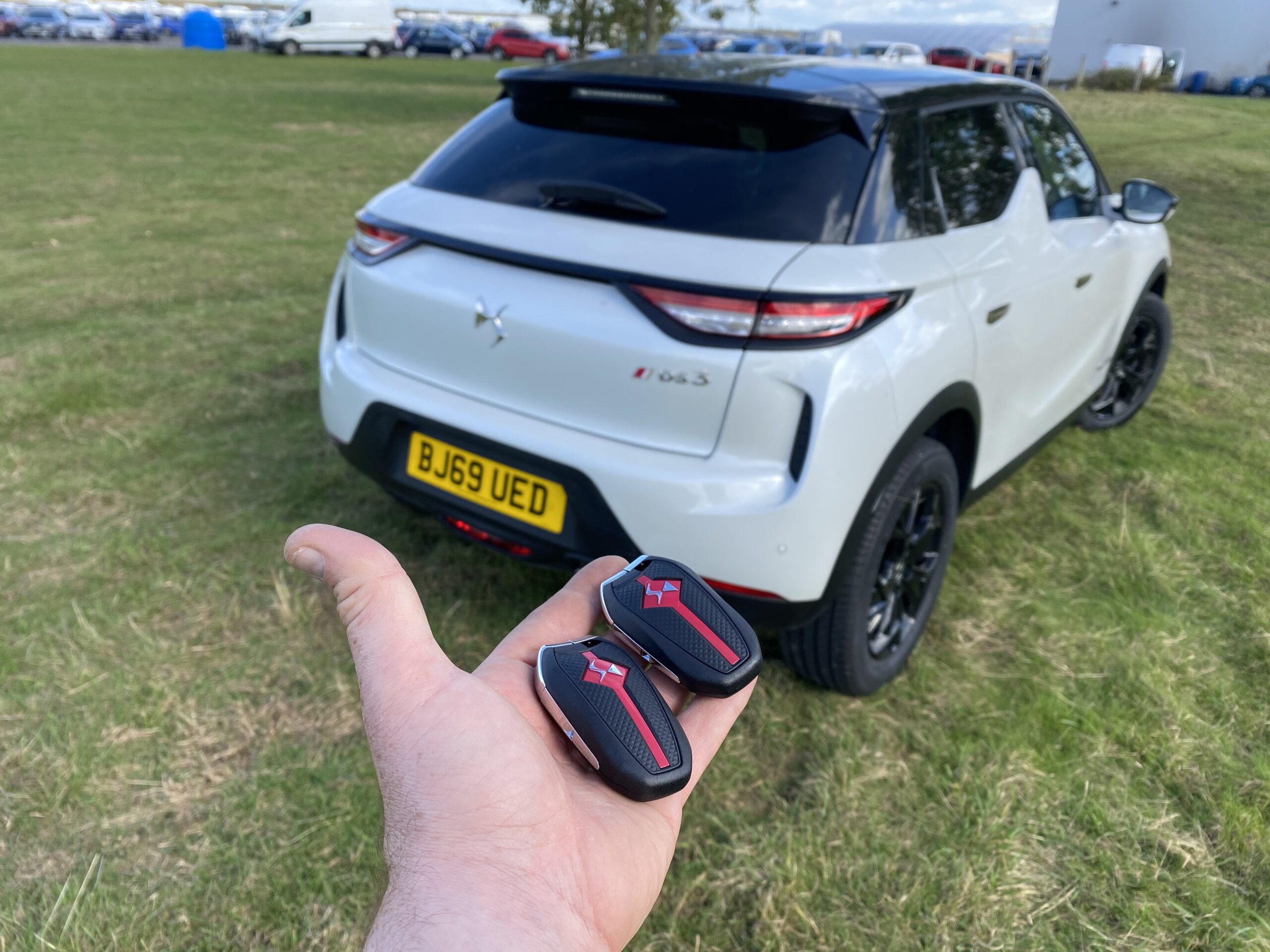
Some of these modern features that come with modern keys include encryption as well as other security mechanisms. Encryption ensures that only the correct key can be used to start your car, making it more difficult for thieves to duplicate or pick locks. Other security features to prevent theft include transponder chips that are embedded into the keys to connect with your car and make it only work when it's within a specific distance of your car.
If you decide to use a conventional, standard key, a locksmith could create a new key with a standard key cutting machine, which is available at the majority of hardware stores. This is less expensive than a key fob, or a transponder, and you are still able to operate your locks, trunk, and doors.
Another alternative is to have your standard car key replaced with a laser-cut version with a unique pattern. The first time these keys were introduced was in the late 1990s, and are a popular choice for those who wish to provide extra security to their automobiles. Laser cut keys typically come with transponder chips that are specifically programmed to work with the specific vehicle you own. If the chips aren't installed in your vehicle, it will not respond to the signals generated by the key.